Current phase
State the phase and milestone currently being advanced.
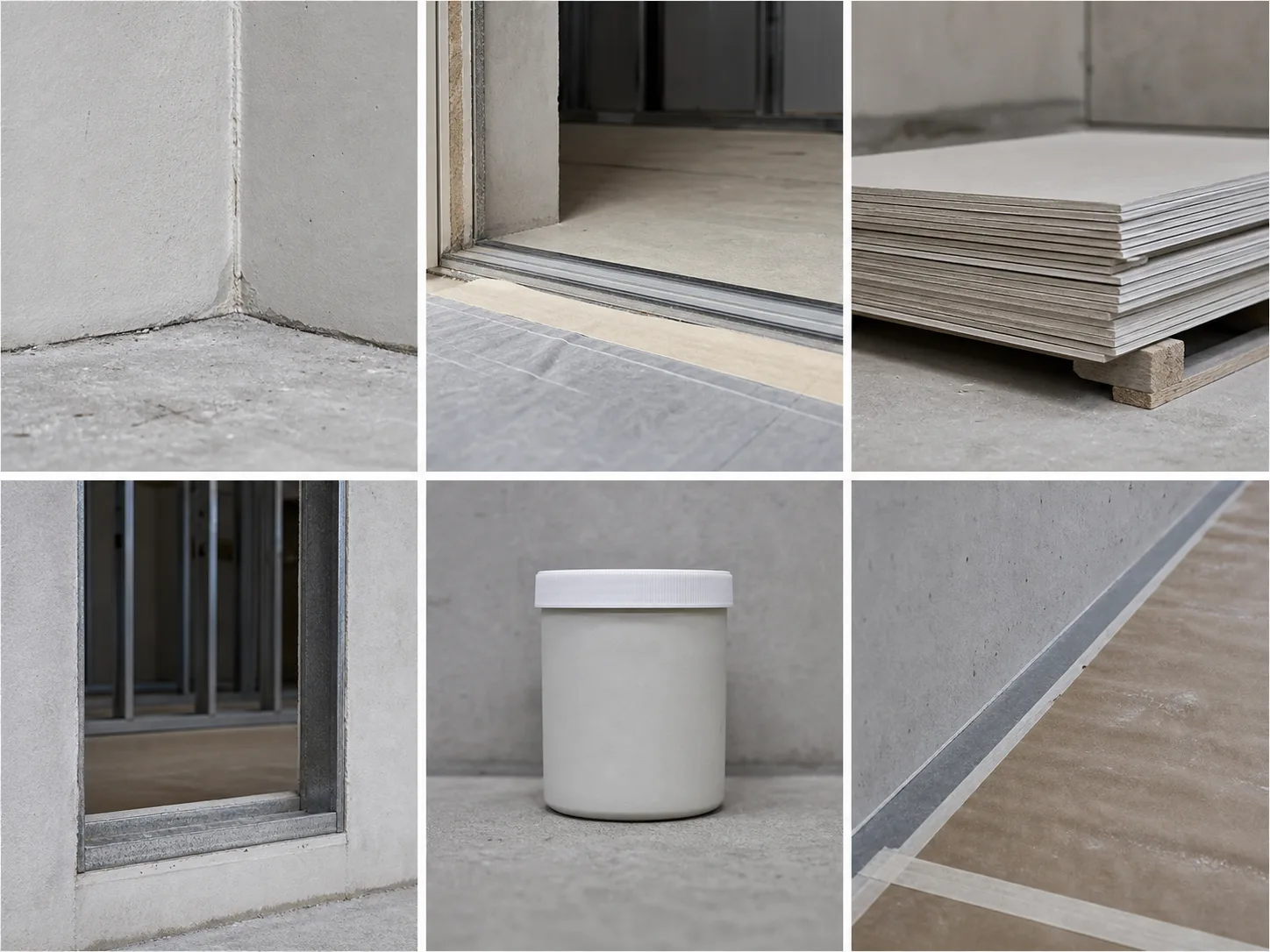
Field progress + decisions + changes
The owner update makes the current phase, near-term work, constraints and required decisions understandable without replacing the detailed records behind it.
The report sheet separates status from source records and keeps action owners visible.
State the phase and milestone currently being advanced.
List completed activities by location or scope, supported by dated photographs where useful.
Identify active areas, current trades and interfaces affecting occupants or other work.
Show planned activities, prerequisite decisions, inspections, access and material needs.
Highlight long-lead items, critical submittals, expected deliveries and sequence risks.
Name the decision owner, required-by date, options and effect of delay where known.
Separate approved changes from potential changes and record their effects through the agreed process.
Summary language is useful only when the underlying question, response or approval remains traceable.
Records a question, response and affected references. It is not automatically authorization for a change.
Product data, shop drawings, samples or other information reviewed against design requirements.
Records the decision, owner, date, source information and related drawing or selection.
Documents proposed or approved scope, reason, pricing or schedule basis, approvals and revised references.
Tracks release, submittal, fabrication, delivery and required-on-site dates.
Records incomplete or corrective work for follow-up, responsibility and closure.
Change control
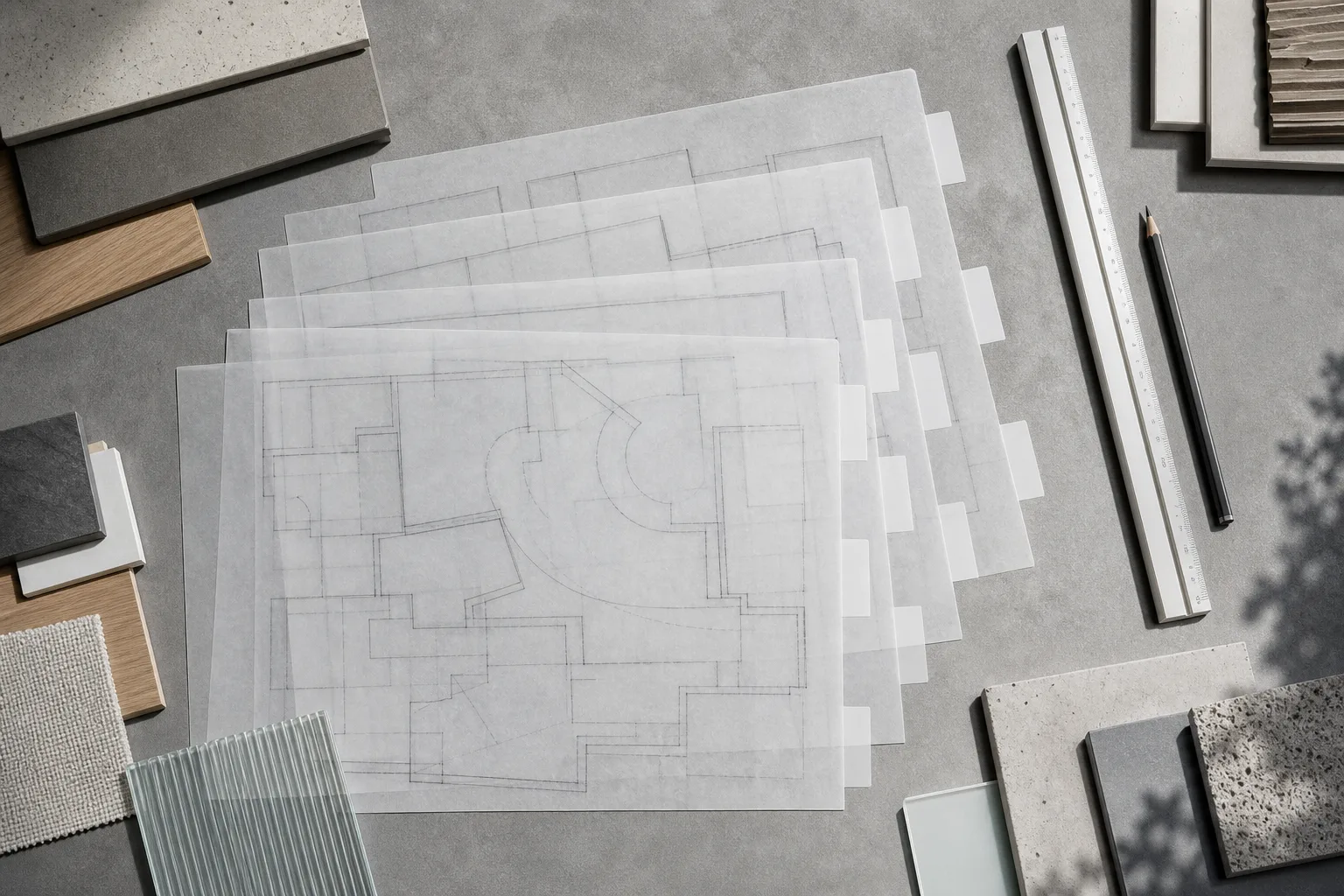
Wide context, mid-range coordination and detail views work together; unlabeled images alone are not a progress report.


Closeout
Set reporting expectations before field work begins.
No. The update summarizes current status and near-term priorities. The maintained schedule contains activity logic, durations, relationships and milestone forecasts.
Not by itself. Cost, scope or schedule adjustments follow the change provisions established by the agreement.
Frequency should match the project's pace, decisions and agreement. The format should remain consistent enough that changes are easy to identify.